
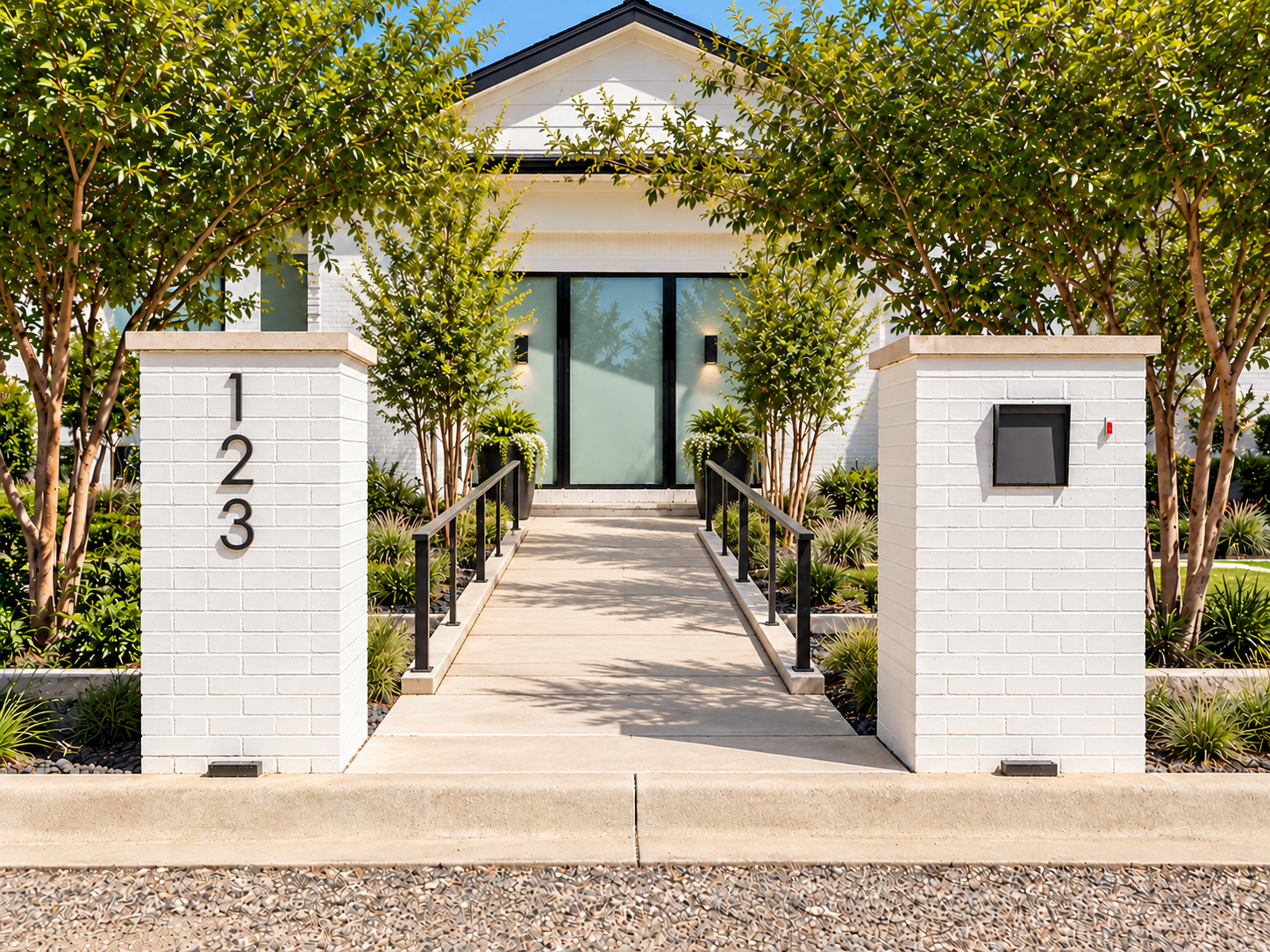
Some of the most important conversations in real estate happen on the front walk.
Early in my real estate career, I was helping a buyer who used a wheelchair. She’d found a house she liked, it was in her price range, and she was ready to move. On paper, it checked all the boxes.
Then we got out of the car.
The walkway to the front door was badly cracked. Heaved slabs, uneven edges, gaps wide enough to catch a wheel. She made it to the door, but not easily, and I watched how much effort it took.
And that was just getting in.
I kept thinking about coming home with groceries. Or in the rain. Or simply making that trip from the driveway to the front door every single day for the next twenty years.
So I told her the truth.
I couldn’t in good conscience recommend that she buy a home she already had trouble getting into. If she truly wanted that house, it was ultimately her decision, and I would respect it. But I wasn’t going to pretend that walkway didn’t matter.
She thought about it, and we kept looking.
Two weeks later, we walked into a home that was everything the first one wasn’t. A smooth path to the door, an easy entry, and room to move comfortably. She fell in love with it.
And she got to come home to a house that worked for her.
I’ve thought about that transaction many times over the years. It taught me something early in my career that I still believe today:
A house has to fit the life you’re actually going to live in it.
Square footage, finishes, and price matter. Of course they do. But so do steps, thresholds, doorways, and that walk from the driveway to the front door.
Sometimes the things that matter most aren’t the things that photograph beautifully in a listing.
And sometimes the best advice an agent can give is, “I don’t think this is the right house for you.”
Buying an Accessible Home: A Few Things Worth Looking At
When buying an accessible home, it’s important to think beyond the floor plan and consider how easily and safely you can navigate the property every day. If accessibility matters to you or someone you love, here are a few things I encourage buyers to consider early in their search:
- The path to the front door. Look at the slope, surface, condition, and distance from parking.
- Entry steps and thresholds. Even a small change in elevation can make a big difference.
- Doorways and hallways. Consider whether there’s enough room to move comfortably.
- Bathrooms. Look beyond the finishes. Is there enough space to maneuver and use the room safely?
- Main-level living. Having a bedroom and full bathroom on the main floor can make everyday life easier.
For additional guidance on accessible home design, the U.S. Access Board provides information about accessibility standards and design considerations.
Every person’s needs are different, and a home that works beautifully for one person may not work for another. It’s worth taking the time to understand what will make daily life comfortable, safe, and manageable.
Because buying a home isn’t just about finding something you love when you walk through it.
It’s about finding something that still works for you long after the moving boxes are gone.
If you’re beginning your own home search, visit our Buying page to learn how Pratt Realty can help you find a home that truly fits your needs.
The right house is out there. My job is to tell you the truth until we find it.